Give the explanation a question to answer
How can an opening make readers want an abstract explanation?
Put a specific uncertainty in front of the reader before explaining the general idea. A surprising capability can make the question implicit; a character’s request can state it directly and introduce its consequences.
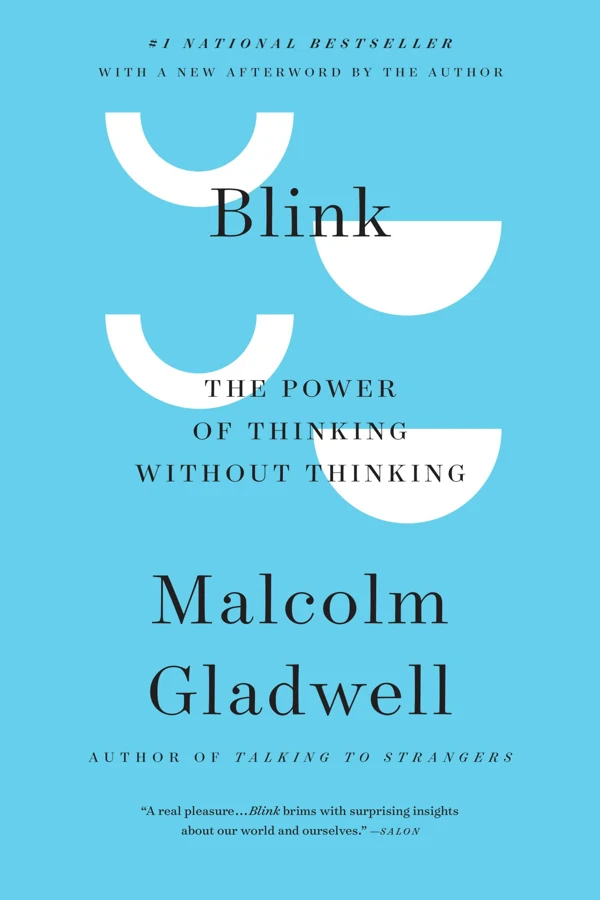 Blink
Blink- The author’s move
- Show Vic Braden repeatedly anticipating a double fault before offering an explanation of his judgment.
- What it gives the reader
- The described ability invites the reader to ask how he knows. The explanation has an observable puzzle to resolve.
- When to consider it
- When a documented result or capability is surprising enough to raise a clear question without the narrator stating it.
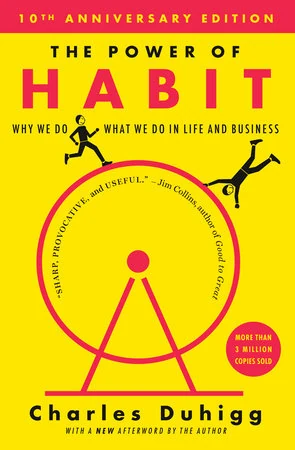 The Power of Habit
- The author’s move
- Give Andrew Pole a direct request: infer pregnancy from shopping information even when customers would prefer privacy.
- What it gives the reader
- The request makes the technical question explicit and places its human consequences beside it from the start.
- When to consider it
- When the method might otherwise feel remote, but the task and the people affected make its stakes concrete.
The difference to notice.
Blink opens with a tennis coach recognizing an error before it happens. The Power of Habit opens with marketers asking whether data can reveal a private fact. One presents an ability that needs explaining; the other presents a task whose feasibility and implications remain open.
Keep the boundary.
This editorial reading path includes all currently recorded reviewed examples of the existing puzzle practice. It compares the job of these openings, not books matched by audience or research outcome. The later explanation must address the opening question; curiosity alone does not validate the account or establish a longevity effect.
An editorial reading path built around a shared writing question. It is not a matched longevity study or a claim that these books use one identical pattern.
Read the actual execution.
2 examples in this collection“Not long ago, one of the world’s top tennis coaches, a man named Vic Braden, began to notice something strange whenever he watched a tennis match. In tennis, players are given two chances to successfully hit a serve, and if they miss on their second chance, they are said to double-fault, and what Braden realized was that he always knew when a player was about to double-fault. A player would toss the ball up in the air and draw his racket back, and just as he was about to make contact, Braden would blurt out, “Oh, no, double fault,” and sure enough, the ball would go wide or long or it would hit the net.”
The question is implicit. Gladwell first shows a capability that needs explaining.
“Andrew Pole had just started working as a data expert for Target when a few colleagues from the marketing department stopped by his desk one day and asked the kind of question Pole had been born to answer: “Can your computers figure out which customers are pregnant, even if they don’t want us to know?””
The question is spoken directly. Duhigg gives it personal stakes through customer privacy.