Make the case concrete before explaining the framework.
Give the reader a specific situation to interpret, then use the formal explanation to make sense of it. A label or overview may already have appeared.
Consider this when readers need to encounter a behavior before a formal distinction about it becomes meaningful.
A concrete case gives the framework a referent that the explanation can revisit, whether the transition spans a passage or several chapters.
Beyond using a story to introduce an idea, make the case expose the features the later definition must distinguish; an earlier label or overview can remain.
The case gives an abstract distinction something concrete to explain. The two books place this transition at different scales.
Every identified example.
5 source-checked examples from the published book studies. The full catalog has not been assessed for this practice.
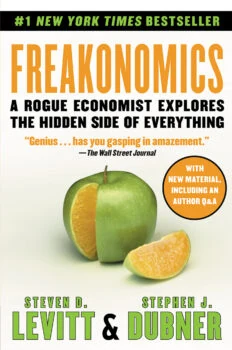
Freakonomics
Steven D. Levitt & Stephen J. Dubner · 111 weeksA fine creates the problem that the taxonomy must explain
SHORT SOURCE EXCERPT“three basic flavors of incentive”
The chapter opens with a day-care fine followed by more late pickups. After introducing economic, social and moral incentives, the authors return to the fine and argue that it changed the relationship between payment and guilt.
The sequence makes the distinction do work on an already familiar problem. The return also complicates the first obvious explanation that the price was simply too low.
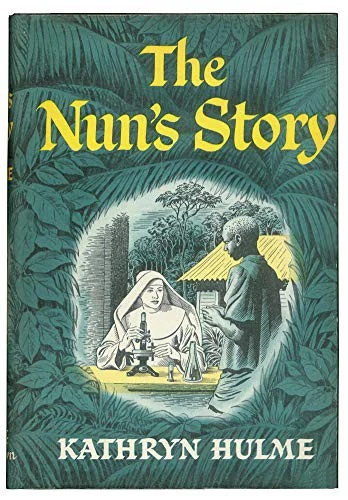
The Nun's Story
Kathryn Hulme · 48 weeksThe requested sacrifice reveals a condition on consent
SHORT SOURCE EXCERPT“humility with hooks”
Mother Marcella asks Sister Luke whether she could fail her examinations to show humility. Sister Luke offers conditional consent if the mother house knows and approves. The Superior then names and explains a form of humility that takes satisfaction back from the sacrifice, specifically the satisfaction of being known to have made it.
The explanation has a precise referent: the added condition, rather than the broad fact that Sister Luke finds sacrifice difficult. The choice makes the institution’s distinction understandable while leaving its demand open to the reader’s judgment.
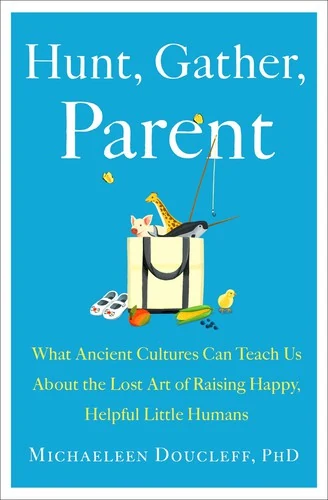
Hunt, Gather, Parent
Michaeleen Doucleff · 45 weeksA bakery scene precedes TEAM’s formal explanation
SHORT SOURCE EXCERPT“I came up with a simple acronym, TEAM”
The interlude opens with nine-year-old Mickey joining work in his family’s bakery. After that scene, Doucleff sets out the four TEAM elements and begins explaining togetherness, making shared work visible before unpacking the principle.
The familiar family-business scene gives the concept a second context alongside the preceding Maya reporting. The framework can organize an experience the reader has just pictured.
Good to Great
Jim Collins · 41 weeksDarwin Smith supplies the two traits before their local definition
SHORT SOURCE EXCERPT“personal humility with intense professional will.”
The chapter describes Smith’s lack of executive display and his resolve in selling Kimberly-Clark’s mills. A following subsection gathers those contrasted traits into the Level 5 description and explains the hierarchy.
The definition labels a conjunction that the case has already made visible: restraint about the self alongside determination about the company.

Liar's Poker
Michael Lewis · 39 weeksA counterchallenge becomes legible after the rules
SHORT SOURCE EXCERPT“before the game even started.”
Gutfreund proposes an unusually large wager against Meriwether. Lewis pauses to explain their differing kinds of authority, the game’s bidding and bluffing, and the social expectation that challenges be accepted. The resumed scene shows Meriwether proposing a much larger stake and Gutfreund declining; Lewis characterizes the counterproposal itself as play.
The explanatory detour gives the reader a way to interpret a refusal that takes the form of an apparent acceptance. It also makes the book’s title carry a concrete social arrangement rather than remain only a metaphor for dishonesty.
Make the decision
deliberately.
When a definition becomes easier to understand after readers have met the behavior it describes.
- Identify what the reader must notice to understand your distinction.
- Choose a case that exposes those features; preserve any necessary orientation.
- Return to the case as you define the terms, and show what the definition adds.
A near miss
Starting with an anecdote that has no bearing on the later definition.
Where the lesson stops
This is about the placement of a full explanation, not withholding every mention of an idea. Good to Great previews Level 5 and names the chapter before its Darwin Smith case. Hunt, Gather, Parent previews its scope before explaining TEAM.
This is an editorial reading of craft. These examples do not establish that the practice caused, or predicts, a longer bestseller run.