Contrast a literal or habitual reading of an utterance/action with a different question that reveals its function, then demonstrate how the response changes.
WHEN IT FITS
Consider this when the question a reader habitually asks leads to an unhelpful interpretation or response.
POTENTIAL LEVERAGE
A changed diagnostic question supplies a repeatable way to move from interpreting a situation to deciding how to respond.
BEYOND THE FAMILIAR ADVICE
Beyond asking readers to look deeper, contrast two questions about the same encounter and show the different responses they invite.
THE SHARED MOVE
Shift attention from surface details to meaning, motive or concern.
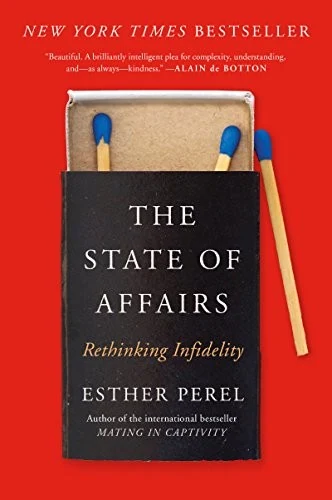
Perel distinguishes questions about incident details from questions about meaning and motive; the surrounding passage explains how question choice affects the interaction.
↳Shift attention from surface details to meaning, motive or concern.
Advice refused, then the purpose of the exchange reconsidered
SHORT SOURCE EXCERPT
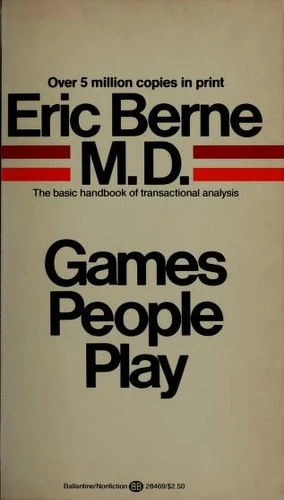
“The purpose of the game is not to get suggestions, but to reject them.”
WHAT HAPPENS IN THE BOOK
A speaker reports a problem with her husband’s repairs, and the group offers a succession of solutions that she rejects. Berne adds follow-up dialogue showing that some suggestions were already tried, interprets the refusals as serving a different function, and proposes a reply that stops supplying further solutions.
THE AUTHOR’S DECISION
The sequence connects observation, alternative interpretation and changed response. Its teachable writing decision is to show the path between these stages rather than announcing a diagnostic label first.
A marriage-defect search becomes a question about identity
SHORT SOURCE EXCERPT
“The fact that a couple has “issues” doesn’t mean that these issues led to the affair.”
WHAT HAPPENS IN THE BOOK
Priya describes a marriage she values, while Perel explains why searching it for a defect might miss what the affair means to her. The discussion turns to duty and identity, and the proposed response distinguishes ending contact with the lover from abandoning the experience of herself that Perel believes the affair awakened.
THE AUTHOR’S DECISION
The passage connects a revised question to a concrete change in the conversation and proposed response. It also leaves the future interpretation open, preventing the diagnosis from functioning as a completed recovery story.
Quotations are source excerpts; descriptions and explanatory annotations are our analysis. Every match identified in the reviewed material is included here; the rest of the source collection remains to be assessed. Craft comparisons do not establish a longevity effect.
GO DEEPER
What does the question help the reader understand?
Contrast a literal or habitual reading of an utterance/action with a different question that reveals its function, then demonstrate how the response changes.
How to inspect this in your own writing
Trace the operation through the actual sequence of the book. Check whether each recurrence changes what the reader can understand or do.
THE BOUNDARY
When this becomes a near miss.
Neat author-selected dialogues can make uncertain motives look certain. Ginott evidence here is from a 2003 revision and is not attributed unchanged to the original edition.