Make the obvious objection part of the promise
After a case supporting the central idea, name the contrary outcome and commit the book to explaining both.
Consider this when your central claim has a serious failure mode that later chapters need to investigate.
Making the objection part of the opening promise gives the book's complicating chapters a clear place in its overall argument.
Beyond acknowledging objections, commit the book to explaining the contrary cases and assign later chapters to fulfill that commitment.
The reader has a reason to continue through chapters that complicate the opening claim. Those chapters answer an announced question rather than seeming to abandon the book’s premise.
Every identified example.
1 source-checked example from the published book studies. The full catalog has not been assessed for this practice.
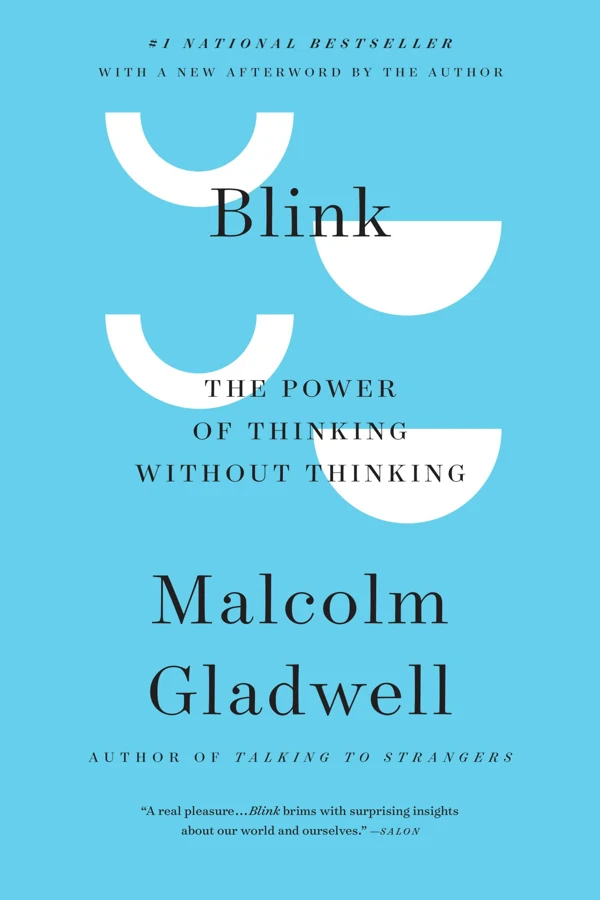
Blink
Malcolm Gladwell · 81 weeksSuccess, failure, and trainability become three obligations
SHORT SOURCE EXCERPT“when our instincts betray us”
Gladwell first says fast decisions can be as good as deliberate ones, then asks why intuition fails, and finally promises to examine its education and control. He uses the opening sculpture case on both sides: rapid expertise helps expose a problem, but interested experts can also miss it.
The sequence protects the book from a simplistic reading of its title. Its contrary cases are part of the announced subject, and the practical promise creates an obligation that the conclusion can later revisit.
Make the decision
deliberately.
A counterintuitive argument whose strongest objection will recur throughout the material.
- State the positive claim at an appropriate level of certainty.
- Turn the most serious countercase into an explicit question the book will answer.
- Assign later material to each promised task and check whether the ending fulfills the practical one.
A near miss
A brief concession followed by a book that never studies the acknowledged failures.
Where the lesson stops
Stating a three-part promise does not deliver a reliable rule for deciding which case belongs where. The craft succeeds only to the extent that later explanations earn the distinctions it announces.
This is an editorial reading of craft. These examples do not establish that the practice caused, or predicts, a longer bestseller run.