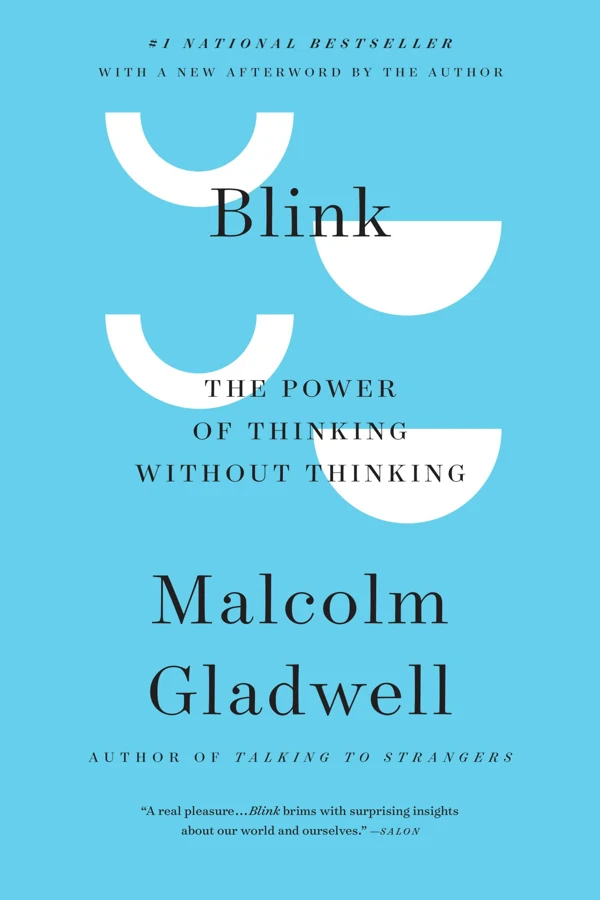
“Not long ago, one of the world’s top tennis coaches, a man named Vic Braden, began to notice something strange whenever he watched a tennis match. In tennis, players are given two chances to successfully hit a serve, and if they miss on their second chance, they are said to double-fault, and what Braden realized was that he always knew when a player was about to double-fault. A player would toss the ball up in the air and draw his racket back, and just as he was about to make contact, Braden would blurt out, “Oh, no, double fault,” and sure enough, the ball would go wide or long or it would hit the net.”
HOW THIS BOOK USES IT
The question is implicit. Gladwell first shows a capability that needs explaining.
↳How can he know the serve will fail before the ball is hit?
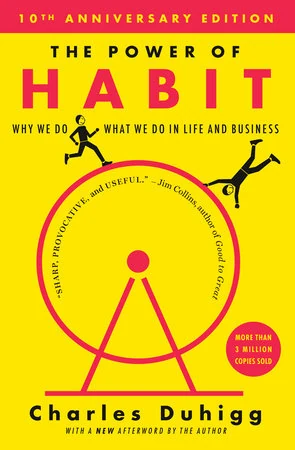
“Andrew Pole had just started working as a data expert for Target when a few colleagues from the marketing department stopped by his desk one day and asked the kind of question Pole had been born to answer:
“Can your computers figure out which customers are pregnant, even if they don’t want us to know?””
HOW THIS BOOK USES IT
The question is spoken directly. Duhigg gives it personal stakes through customer privacy.
↳How could ordinary shopping data reveal something a customer is trying to keep private?
Quotations are source excerpts; descriptions and explanatory annotations are our analysis. Every match identified in the reviewed material is included here; the rest of the source collection remains to be assessed. Craft comparisons do not establish a longevity effect.
GO DEEPER
How do you make the reader want the explanation?
Begin with a specific person and a surprising question or event. Let the reader want the explanation before you introduce the idea.
How to inspect this in your own writing
Trace the operation through the actual sequence of the book. Check whether each recurrence changes what the reader can understand or do.
THE BOUNDARY
When this becomes a near miss.
The later explanation needs to answer the opening puzzle. A striking anecdote alone does not establish that the general claim is true.